Our Services
At OfaNex, we provide practical services, products and solutions that help businesses, organizations and individuals solve everyday challenges, improve their operations, build and grow their brands, develop skills and access opportunities. Our services range from Physical asset identification and management, printing, branding and packaging to skills development, civic and business support, digital platform and content development. We bring together practical solutions designed around real needs across Tanzania and Africa.
Physical Asset Identification & Management Solutions in Tanzania & Africa.
We provide permanent physical asset identification, organized asset records and ongoing asset management support, helping businesses, institutions, NGOs, schools, hospitals and other organizations in Tanzania identify, verify, track and manage their physical assets from the first mark through their entire lifecycle.
Our approach helps strengthen asset accountability, inventory control, verification, audit readiness, better visibility and loss prevention by connecting the physical asset to its records. From permanent marking and asset registration to periodic verification, recovery and retirement, we help keep your asset records aligned with what is physically on the ground.
Which Materials Can We Permanently Mark in Tanzania?
We can mark a wide range of physical assets and materials, including aluminium, stainless steel, iron, plastics, timber, rubber, leather, mirrors and other suitable materials.
What Identity Can We Put on Your Physical Assets?
Unique Asset IDs, Serial Numbers, QR Codes, Barcodes, Security Codes, Company, Names & Logos
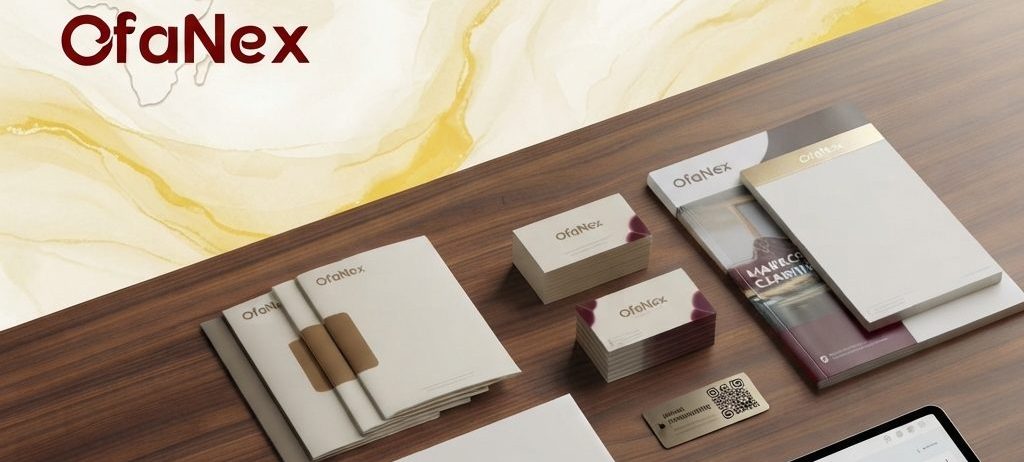
OfaNex Physical Asset Management Process
Permanent Physical Asset Identification
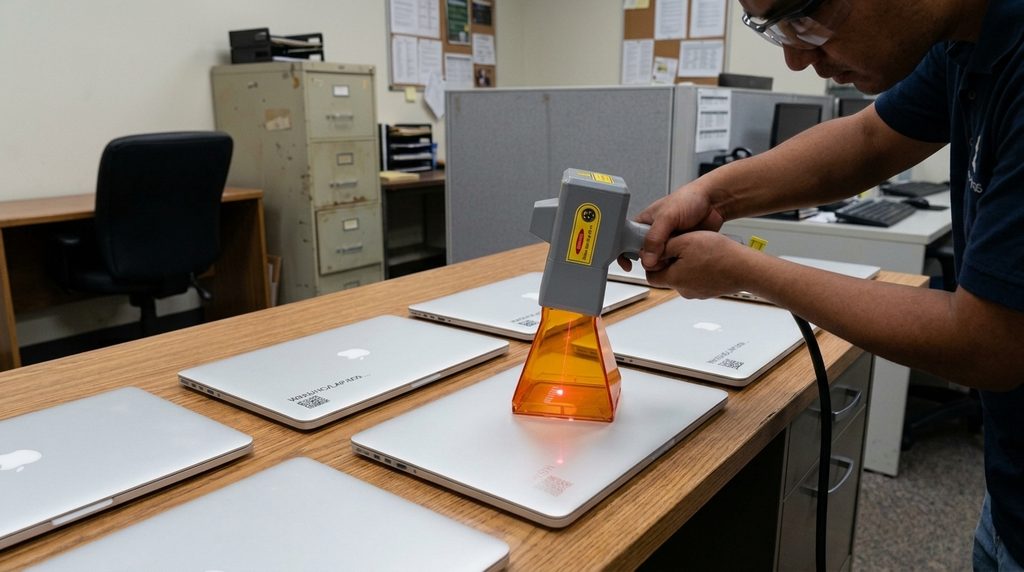
- We use advanced marking technology to apply a permanent identity directly onto physical assets(Direct Part Marking (DPM).
- Identification became a part of the object rather than a removable label, sticker or paper.
- Identify valuable assets clearly with unique asset IDs, serial numbers, QR codes, barcodes, security codes, company names or logos.
- Make assets easier to identify and verify during audits, transfers, maintenance, inspections and ownership checks.
- Strengthen accountability
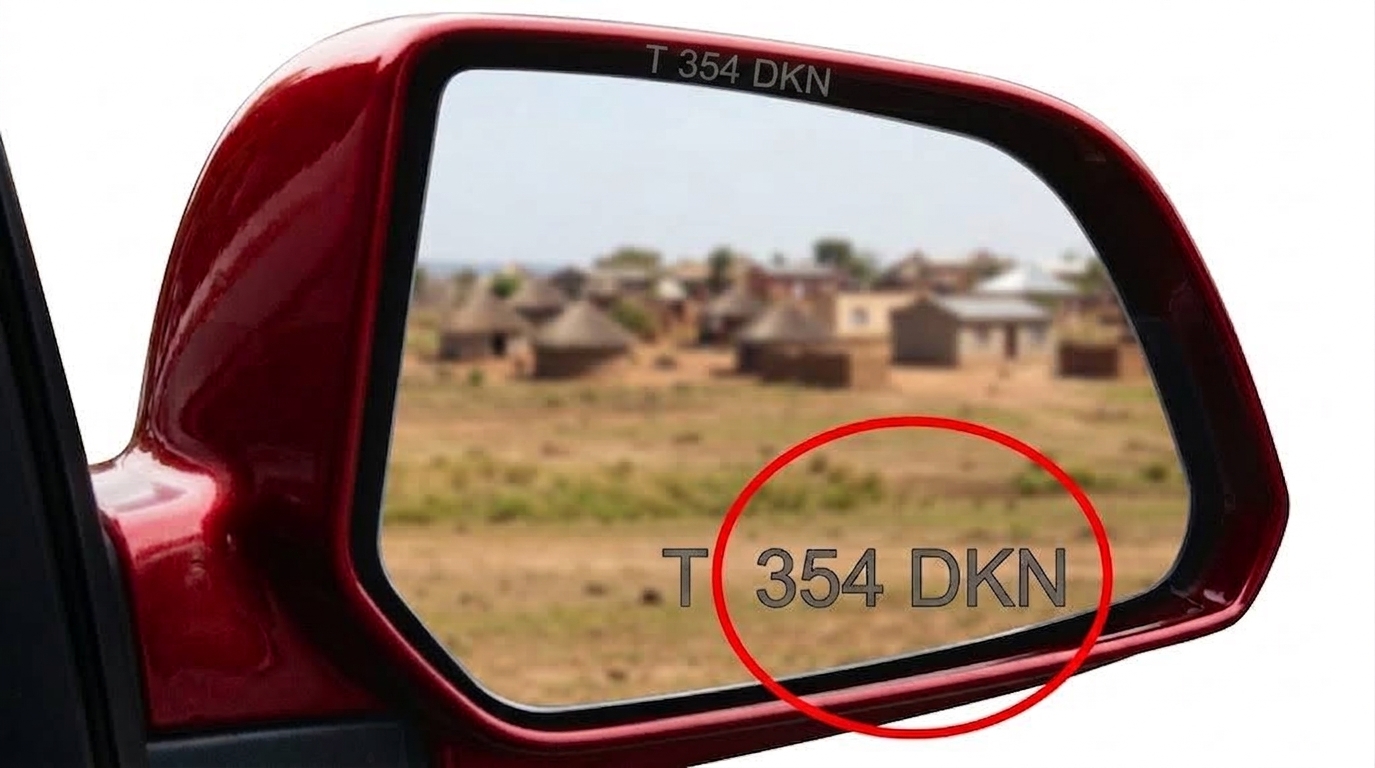
Without a reliable physical identity, an asset can become difficult to recognize, verify or link to its records. A label can disappear, a record can become uncertain, and accountability can become difficult.
- Someone can claim an asset as their own simply because there is no clear physical identity connecting it to the organization.
- Responsibility becomes difficult to prove when an asset is missing, moved or transferred.
- Assets can be removed or exchanged without being easily detected.
- Stolen or replaced components can be difficult to identify and trace.
- Asset records can stop matching what is actually on the ground.
- Audits become stressful because staff must spend more time searching, checking and proving what exists.
- Weak asset control can make an organization look poorly managed to auditors, partners, investors and financial institutions.
- Valuable assets can be lost without a clear trail, turning years of investment into an avoidable loss.
- Accountability becomes weak because it is difficult to establish who had an asset, where it went and what happened to it.
- The organization may struggle to prove ownership when an asset is disputed, recovered or transferred.
- Poor asset control can affect confidence in the organization, especially when large amounts of organizational or public funds are tied up in physical assets.
Why Your Physical Assets Need a Permanent Identity accross Tanzania & Africa
A permanent identity makes your assets easier to identify, verify, protect and connect to their records. It helps organizations know what they own, where it is and who is responsible for it.
- Make ownership clear and reduce disputes over who an asset belongs to.
- Strengthen accountability by linking assets to the responsible person, department or organization.
- Make assets harder to remove, exchange or misuse without detection.
- Make stolen or replaced components easier to identify and verify.
- Keep physical assets connected to their records during audits, transfers and inspections.
- Make physical verification faster and easier by giving every asset a recognizable identity.
- Protect years of investment by making valuable assets easier to identify and recover.
- Strengthen confidence in your organization’s asset control among auditors, investors, banks, partners and other stakeholders.
- Create a lasting identity that stays with the asset, rather than depending only on removable labels.
- Give your organization better control over what it owns, where it is and who is responsible for it.
Start Protecting Your Physical Assets →
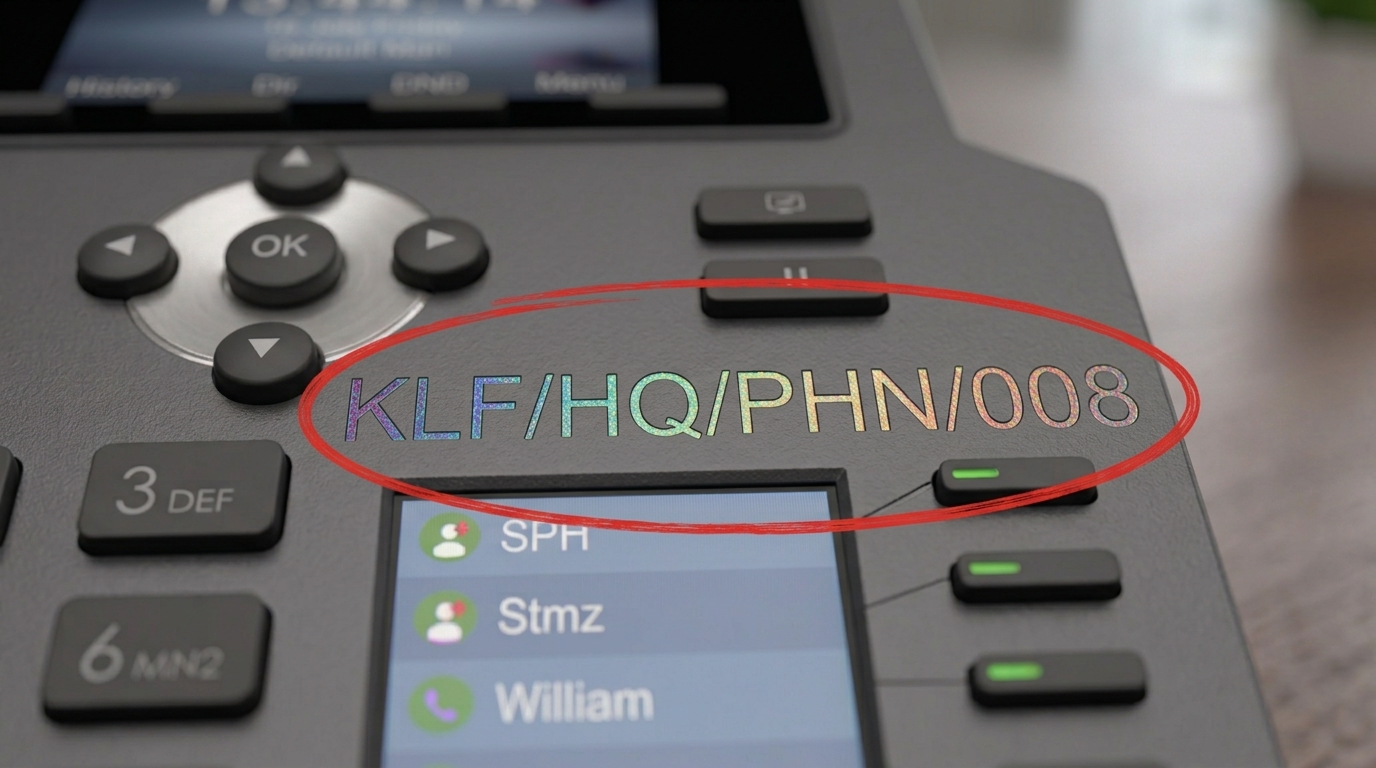
Many organizations in across Tanzania & Africa believe their assets are identified, yet ordinary paper, vinyl and removable labels can peel, fade, be replaced or removed, leaving valuable assets difficult to verify and protect. This can contribute to lost equipment, weak accountability, stressful audits, and asset or vehicle-part theft.
Assets represent years of investment. A vehicle, machine, computer, equipment, furniture or other property may take significant time and money to acquire.An asset without a clear identity can easily lose its connection to its owner.
Do you know what you Organization own? Where it is? & Who is responsible with it?
Every year, people, businesses and public institutions lose valuable assets through theft, misplacement, unauthorized movement, poor records and weak accountability. Once an asset is moved, lost, transferred or stolen, proving ownership and taking responsibility becomes much harder.
Ready to Move Beyond Ordinary Asset Labels? →
We provide Car Identity in Tanzania
- OfaNex provides vehicle identity solutions for cars and their valuable components.
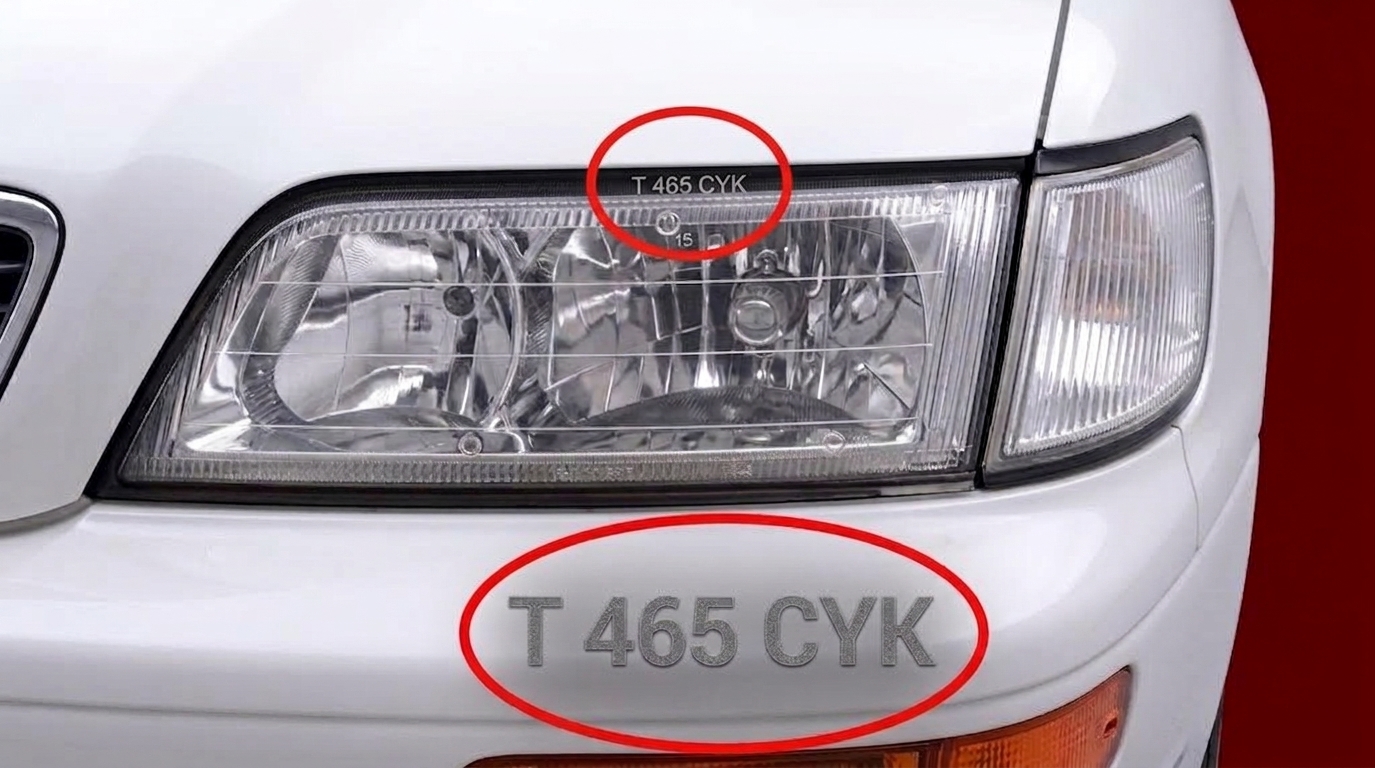
- We use advanced laser technology through Direct Part Marking (DPM), not paint, stickers or surface scratching.
- Make valuable components look smart, easier to identify and verify during servicing, inspection, recovery or ownership checks.
- Make components easier to identify and verify, especially
- Make stolen or replaced parts harder to resell
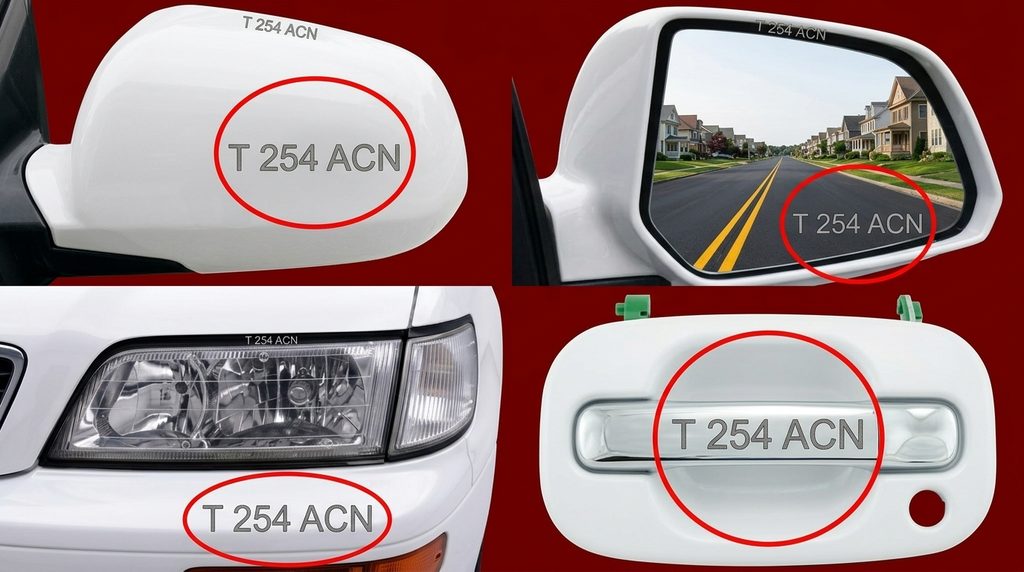
A car with clearly identified components can be less attractive to thieves because the parts may be harder to resell. OfaNex uses Direct Part Marking (DPM) technology to give selected vehicle components a permanent identity, making them easier to identify, verify and link to the rightful vehicle.
Do You Know Which Car Parts We Can Permanently Mark in Tanzania? See What We Mark
Depending on the vehicle and component, marking can be applied to: Mirrors, headlights, wheels and rims, batteries engine components,audio/radio systems,metal body componentsa and other valuable removable parts.
When a Vehicle Part Is Replaced, Do You Know What Happened to the Original?
For companies and institutions with many vehicles, parts can move between drivers, workshops, garages, branches and stores. When a part is replaced, it is not always easy to know what happened to the original. Was it damaged, returned, kept in storage, or taken and resold?
Permanent identification helps make valuable vehicle components easier to identify, verify and account for, reducing room for unauthorized replacement and loss.
Start Protecting Your Vehicle Components →
Want to Give Your Car and Its Parts a Permanent & smart Identity across Tanzania & Africa? →
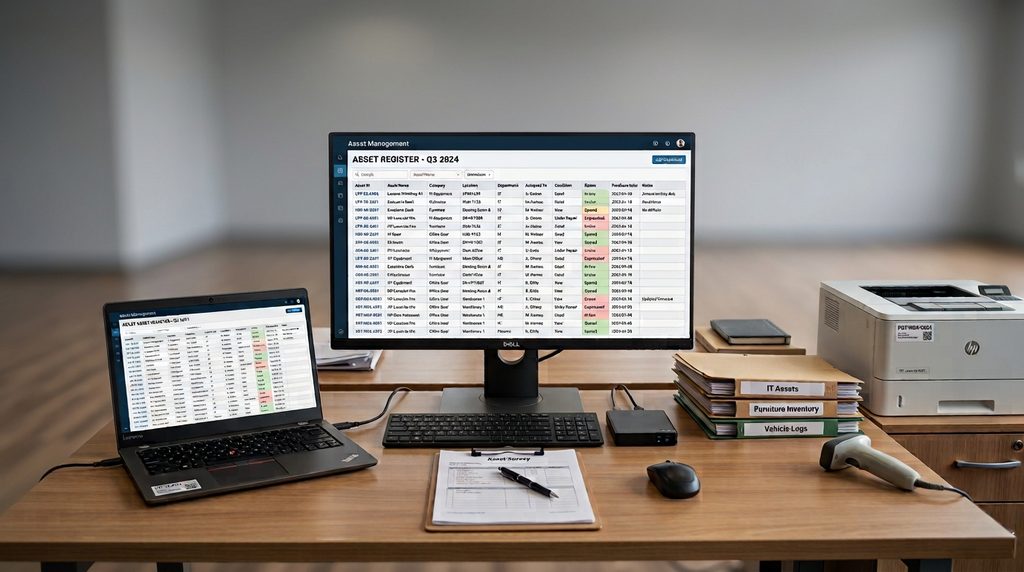
Asset Register Development & Data Management
Identifying an asset is only the first step. We help you record the important details behind each asset so you can know what you own, where it is, who is responsible for it and what condition it is in.
Ready to Get Your Assets Permanently Marked and Properly Recorded? →
Depending on your needs, we can develop physical or digital asset registers containing information such as:
- Asset ID
- Description and category
- Serial number
- Location and department
- Assigned person or custodian
- Condition and status
- Acquisition details
- Identification method
- Other relevant information
Records can be managed using Excel, Google Sheets or other suitable digital systems, depending on the size and needs of your organization.
Physical Identity + Digital Records
Remember: The mark identifies the asset. The record tells its story.
Physical Asset Management Training
- We train staff on asset control procedures including identification, record, verify, transfers, custody, verification, maintenance, missing assets and disposal in Tanzania.
- Build stronger staff accountability in physical asset management and throughout the asset lifecycle.
- Customize training based on your organization's needs and physical asset changes.
- Prepare your team for physical asset audits and proper record verification.
Request Physical Asset Management Training →
Give Your Team the Knowledge to Manage Assets Properly

These are some of the areas we cover but training can be designed around your organization's assets, people and specific challenges.
Asset Identification & Records
Learn how to identify, number, register and maintain reliable asset information.
Asset Verification & Accountability
Build practical skills for checking assets, tracking movement, assigning responsibility and handling missing assets.
Asset Lifecycle Management
Understand how to manage assets from acquisition and deployment through use, maintenance, replacement and disposal.
Asset Condition & Maintenance
Learn how to assess asset condition, plan maintenance and make better repair or replacement decisions.
Asset Risk, Audit & Compliance
Develop practical approaches to asset risks, physical verification, audits, documentation and accountability.
Digital Asset Management
Learn how digital tools can improve asset registers, verification, reporting and day-to-day asset management.
Need a specific topic?
We can also develop training around your organization's particular assets, procedures and challenges.
Asset Tracking & Lifecycle Management
We help you keep track of your assets as they move, change hands, require maintenance, go missing, are recovered or reach the end of their useful life. This keeps your physical assets and records aligned throughout the lifecycle.
Keep Your Asset Records Up to Date
Assets change over time. They move between departments, change hands, need repairs, go missing, get recovered or eventually reach the end of their useful life. We help keep the physical asset and its records connected throughout this journey.
Periodic / Annual Asset Verification
We check physical assets against your records to confirm their location, condition, custodian and status, identify missing or newly acquired assets, and update changes.
Asset Recovery & Missing Asset Investigation
When an asset goes missing, we review its identity, last recorded location, custodian and transfer history, then record recovery progress and update the register when it is found.
Asset Disposal & Retirement Records
When an asset is no longer in use, we help verify its status, record its disposal or retirement and keep its history properly documented.
Ongoing Asset Updates
Depending on your needs, records can also be updated for:
Custodian changes, Department transfers, Asset handovers, Condition changes, Maintenance, Repairs, Replacements, Missing assets, Recoveries, Disposal and retirement
Customer Need Package
We can build the package around what you need, whether you want only physical asset identification, asset records, staff training, asset lifecycle support, or a complete combination of our services.
From one asset to an entire organization, we help turn physical assets into identifiable, accountable and manageable records.
Choose What You Need
Industrial Laser Marking Services
OfaNex provides industrial laser marking and Direct Part Marking services for manufacturers and industrial businesses in Tanzania and across Africa. We mark industrial products, components, machine parts, tools, and other manufactured items directly on their surfaces. Our service supports product identification, traceability, serial numbering, batch identification, production control, and product tracking. Markings can include company logos, product codes, serial numbers, QR codes, Data Matrix codes, and other information required for industrial applications.
What is Direct Part Marking?
Direct Part Marking, commonly known as DPM, is widely used in industrial manufacturing to create permanent identification marks directly on the surface of products, components, and parts. Common markings include serial numbers, QR codes, Data Matrix codes, product codes, batch numbers, and other production information.Laser marking systems provide a precise and reliable method for producing clear, permanent marks on different industrial materials. The marking method can be selected according to the material, product type, production process, and identification requirements.
Do you Understand Laser Marking Technology?
What Is Laser Marking?
Laser marking is a non contact process that uses a focused beam of light to create permanent codes, text, or graphics on the surface of a material. Unlike ink printing, which puts ink or dyes onto a surface, laser marking works directly on the material. It usually uses controlled heat or changes the surface to create a lasting mark without using consumables.
The laser energy makes a controlled change in a small area of the material. For example, heat can remove some of the material from the surface or cause a colour change through a chemical reaction. The result is a clear and durable mark that can withstand wear, solvents, and environmental conditions. This makes laser marking useful for traceability and compliance codes that need to stay readable throughout the life of a product.
How Does Laser Marking Work?
In simple terms, a controller guides the laser beam across the surface using mirrors powered by galvo motors. When the focused laser beam reaches the material, the material absorbs the laser energy and turns it into heat. Depending on the material and the laser settings, this can produce different marking effects.
What Industrial Materials Can We Mark by Laser Technology?
Metal Marking
Laser marking is a widely used method for applying permanent identification directly onto metal parts and products. It offers fast and precise marking without the need for labels or continuous marking consumables.
Different laser marking techniques can be used on metal depending on the required result and the type of metal being marked. These include annealing, which creates a contrasting mark through controlled oxidation, surface marking, which modifies the surface to produce a visible mark, and laser engraving, which removes material to create a deeper mark.
The appropriate marking method depends on the type of metal, surface condition, required marking depth, appearance, and intended application.
Industrial Applications
Laser marking can be used by manufacturers and industrial businesses to mark machine parts, tools, automotive components, electrical and electronic parts, metal equipment, industrial products, and other manufactured components. Markings can include serial numbers, product codes, batch numbers, QR codes, Data Matrix codes, logos, and other identification details required for product tracking and traceability.
UV Laser Marking on Metal
UV laser marking uses a shorter wavelength than many conventional laser systems. This allows the laser to interact with the material with relatively low heat transfer, making it suitable for applications where excessive heat could affect the surface or structure of a product.
This method can be useful for marking certain metal components where fine, high contrast identification is required. It can produce detailed markings such as serial numbers, product codes, QR codes, Data Matrix codes, logos, and other product information.
The appropriate laser and marking technique depends on the type of metal, surface condition, required marking quality, production process, and intended application.
Benefits of Laser Marking for Industrial Products
Laser marking provides manufacturers with a precise method for permanently identifying products and components without using adhesive labels or physical contact with the surface. It can support product traceability, identification, quality control, and production management.
Compared with some conventional marking methods, laser marking can reduce the need for consumable materials and can produce consistent marks across large numbers of products. The process can also be integrated into industrial production environments where speed, accuracy, and repeatability are important.
Direct Part Marking of Metal Products
Laser marking can be applied directly to a wide range of metal products, components, and machine parts. Depending on the material and required result, the process may involve surface marking, annealing, or engraving.
Common industrial applications include:
• Automotive and vehicle components
• Machine parts and tools
• Electrical and electronic components
• Metal equipment and machinery
• Industrial instruments
• Aluminium and stainless steel products
• Copper and other metal components
• Manufactured parts requiring serial identification
Markings may include company logos, serial numbers, model numbers, product codes, batch numbers, QR codes, Data Matrix codes, and other information required for identification and traceability.
At OfaNex, we provide industrial laser marking and Direct Part Marking services for manufacturers and businesses in Tanzania and across Africa. The marking method is selected according to the material, product, marking requirements, and intended industrial application.
Laser Marking on Plastic
Laser Marking on Plastic Products
Different types of plastic can react differently to laser marking because their chemical composition, colour, fillers, and surface properties vary. Selecting the appropriate laser and marking settings is therefore important for achieving a clear, permanent result.
Laser marking can be used to place identification directly onto plastic products and components without applying labels or other separate identification materials. Depending on the plastic and the required result, the laser can create a contrasting surface mark, fine engraving, or other permanent identification.
Direct Part Marking on Plastic Parts
Laser marking is suitable for many industrial plastic products and components. It can be used to apply logos, product codes, serial numbers, batch numbers, QR codes, Data Matrix codes, and other identification information directly onto the product surface.
Common applications include automotive plastic components, electrical and electronic parts, equipment housings, machine components, cable accessories, packaging components, medical products, and consumer products.
Common plastics that can be suitable for laser marking include:
• ABS
• PET
• Polycarbonate
• Nylon
• Polyethylene
• Polypropylene
• Epoxy and other engineering plastics
The final marking result depends on the specific material, colour, additives, surface condition, and laser technology used. For this reason, testing the actual product material is important before full scale production.
Laser Marking Compared with Labels and Ink
Laser marking provides manufacturers with a permanent identification method directly on the product. Unlike adhesive labels, the marking does not depend on a separate label material that can peel away or become damaged during handling.
For high volume production, laser marking can also reduce the ongoing use of labels, ink, and other marking consumables. This can support consistent product identification while reducing material waste associated with conventional marking methods.
Industrial Applications
Laser marking on plastic can support:
• Product identification
• Serial number marking
• Batch and production tracking
• QR and Data Matrix codes
• Brand and logo marking
• Component traceability
• Manufacturing and quality control
OfaNex provides industrial laser marking and Direct Part Marking services for plastic products and components in Tanzania and across Africa.
Need to know whether your plastic product can be laser marked?
Send us a sample of your material or product for material testing and marking evaluation. We can test the surface and determine a suitable marking approach before you proceed with production.
Request a Material Test
Ceramic Laser Marking
Ceramic Laser Marking Services in Tanzania and Across Africa
Ceramic is valued in many industrial applications because of its resistance to heat, wear, friction, and chemical exposure. These properties make ceramic useful in electrical components, automotive and aerospace applications, industrial equipment, construction products, and other manufactured products.
However, the same properties can make conventional marking and engraving difficult. Physical engraving methods can place pressure on the material and may cause cracking or surface damage. Laser marking provides a non contact method for applying identification and designs directly to ceramic surfaces.
Ceramic Laser Marking and Engraving
Ceramic laser marking uses a focused laser beam to produce a controlled mark on the surface of a ceramic product or component. Depending on the material and the required result, the process can produce detailed identification, surface engraving, or high contrast markings.
The marking can include:
• Product identification
• Serial numbers
• Product codes
• Batch numbers
• QR codes
• Data Matrix codes
• Company logos
• Technical information
• Decorative designs
The appropriate laser technology and settings depend on the type of ceramic, surface finish, colour, thickness, and marking requirements. Material testing is therefore important before production.
Industrial Applications of Ceramic Laser Marking
Ceramic laser marking can be used for a range of industrial products and components, including:
• Electrical and electronic ceramic components
• Automotive components
• Aerospace and engineering parts
• Industrial equipment components
• Ceramic construction products
• Ceramic tiles and architectural products
• Technical and engineering ceramics
• Heat resistant components
For manufacturers producing large quantities of similar ceramic products, laser marking can provide consistent and repeatable identification across production batches.
Why Use Laser Marking on Ceramic?
Laser marking is a non contact process, meaning the marking equipment does not need to physically press against the ceramic surface. This can be useful when working with fragile or precision manufactured components.
Laser marking can also produce fine details and repeatable results while reducing the need for physical engraving tools and other marking consumables. The final result depends on the ceramic composition and the selected laser process.
Ceramic Marking Services in Tanzania and Africa
OfaNex provides industrial laser marking and Direct Part Marking services for ceramic products and components in Tanzania and across Africa. We work with manufacturers and industrial businesses that require permanent product identification, traceability, coding, or engraving.
Test Your Ceramic Before Production
Not sure how your ceramic product will respond to laser marking?
Send us a sample for material testing. We can test the ceramic surface and evaluate the marking quality, contrast, depth, and suitability for your intended application before you proceed with production.
Request a Ceramic Material Test
Leather Direct Part Marking/Permanent Identification
Leather Laser Marking
Leather is widely used in Tanzania and across Africa for footwear, bags, belts, wallets, furniture, accessories, and many other products. Laser marking provides a practical way to apply branding, product identification, decorative designs, and other information directly onto suitable leather surfaces.
The laser uses a focused beam of light to create a controlled mark on the leather surface without physical contact. Depending on the type and finish of the leather, the process can produce a dark, light, or contrasting mark.
Applications of Laser Marking on Leather
Product Branding
Leather manufacturers, fashion brands, footwear producers, and artisans can mark company logos and brand names directly onto their products. This can be used on shoes, handbags, wallets, belts, luggage, jackets, furniture, and other leather goods.
Personalisation
Laser marking can be used to add names, initials, dates, messages, or other personalised information. This is useful for customised gifts, corporate products, promotional items, and made to order leather goods.
Decorative Designs
Laser technology can produce patterns, artwork, symbols, lettering, and other decorative designs on suitable leather. Digital designs can be reproduced across multiple products with consistent positioning.
Product Identification
Manufacturers can mark product codes, model numbers, serial numbers, batch numbers, and other identification details directly onto leather products.
QR Codes and Data Matrix Codes
Where the leather surface is suitable, QR codes and Data Matrix codes can be marked directly onto products. These codes can connect a physical product to digital information such as product details, warranty information, authentication records, or other business information.
Production and Batch Information
Manufacturers can use laser marking to add production references, batch numbers, dates, and other information used to identify products during manufacturing and distribution.
Leather Products Suitable for Laser Marking
Laser marking can be considered for a wide range of leather products produced or sold in Tanzania and across Africa, including:
- Leather shoes
- Sandals
- Belts
- Wallets
- Handbags
- Backpacks
- Luggage
- Briefcases
- Leather jackets
- Watch straps
- Leather notebooks and covers
- Corporate leather gifts
- Leather bags and cases
- Leather furniture
- Sofas and upholstery
- Automotive leather interiors
- Other leather goods
Major Benefits of Laser Marking on Leather
Strong and Consistent Branding
Laser marking allows logos, brand names, patterns, and other designs to be applied directly onto leather products. The same digital design can be reproduced consistently across different products.
Detailed and Customisable Marking
Laser technology can produce fine text, logos, patterns, names, initials, serial numbers, and other detailed designs. Digital control also makes it suitable for personalised and customised leather products.
Direct Product Identification
Product codes, serial numbers, batch numbers, QR codes, and other identification information can be marked directly onto suitable leather surfaces. This provides a practical way to identify products without relying only on separate labels.
What Can Be Marked on Leather?
Depending on the application, laser marking can be used for:
- Company logos
- Brand names
- Names and initials
- Product codes
- Model numbers
- Serial numbers
- Batch numbers
- Dates
- QR codes
- Data Matrix codes
- Symbols
- Decorative patterns
- Artwork
- Product information
- Custom designs
Leather Material Considerations
Not all leather reacts to laser energy in the same way. Natural leather, treated leather, coated leather, synthetic leather, and other leather based materials can produce different marking results.
The final appearance can depend on the:
- Type of leather
- Natural or synthetic composition
- Surface coating
- Leather colour
- Surface texture
- Thickness
- Finishing treatment
- Laser technology
- Laser settings
- Required marking appearance
Some leather may produce a darker mark, while other leather may produce a lighter or contrasting result. The correct laser technology and settings need to match the actual material and the required finish.
Material testing is therefore important before full production, especially when the leather has a special coating, treatment, colour, or surface finish.
Leather Laser Marking Services in Tanzania and Across Africa
OfaNex Group Limited provides laser marking services for leather products in Tanzania and across Africa.
Our services can support leather manufacturers, footwear producers, fashion brands, artisans, furniture manufacturers, corporate gift suppliers, promotional product businesses, and other organisations working with leather.
We can mark logos, names, product codes, serial numbers, QR codes, patterns, and other required designs directly onto suitable leather surfaces.
Request a Leather Material Test
Send us a sample of your leather or finished product. We can test the material and evaluate the marking quality, appearance, and suitability for your intended application before full production.
Rubber Direct Part Marking/ Permanent Identification
Laser Marking on Rubber Products in Tanzania and Across Africa
Rubber is widely used in industrial products because of its flexibility, durability, and resistance to wear. It is found in products such as hoses, seals, gaskets, tyres, pipes, belts, cables, wiper blades, and various automotive and industrial components.
These products often require permanent identification that can remain readable during handling and use. Laser marking provides a method for applying identification directly onto the rubber surface without using separate labels.
Laser Marking and Engraving on Rubber
Laser marking can be used to apply logos, product codes, serial numbers, batch numbers, QR codes, Data Matrix codes, and other product information directly onto rubber components.
The marking process and final appearance depend on the type of rubber, its colour, additives, surface finish, and the laser technology used. Some rubber compounds are more suitable for laser marking than others, making material testing important before production.
Industrial Applications
Laser marking can be used for identification and traceability of products such as:
• Automotive rubber components
• Industrial hoses and pipes
• Rubber seals and gaskets
• Conveyor and drive belts
• Tyres and rubber parts
• Cable and wire components
• Industrial and electrical products
• Rubber components used in machinery
Permanent product identification can help manufacturers maintain consistent product information and support traceability throughout production, distribution, and service.
Why Mark Rubber with a Laser?
Rubber products can be exposed to conditions such as oil, dust, moisture, friction, cleaning processes, and outdoor environments. A suitable laser marking process can provide clear identification directly on the product, without relying on adhesive labels that may become detached or damaged during use.
Laser marking is also a non contact process, allowing detailed information to be applied to components without mechanical stamping or physical engraving tools.
Rubber Laser Marking Services in Tanzania and Across Africa
OfaNex provides industrial laser marking and Direct Part Marking services for rubber products and components in Tanzania and across Africa.
We can mark product identification, logos, serial numbers, batch information, QR codes, Data Matrix codes, and other information required for industrial applications.
Test Your Rubber Before Production
Different rubber compounds can produce different laser marking results.
Send us a sample of your rubber product or component for material testing. We can test the material and evaluate the marking quality, contrast, and suitability for your intended application before production.
Request a Rubber Material Test
What Is Laser Marking and How Does It Work?
What Is Laser Marking and How Does It Work?
Laser marking is a process that uses a focused laser beam to create permanent identification or designs directly on the surface of a product or component. It is widely used in manufacturing for product identification, traceability, coding, branding, and quality control.
Different laser technologies and marking methods are available for different materials and applications. The most common methods include:
Laser Engraving
Laser engraving removes a controlled amount of material from the surface to create a deeper, permanent mark. It is suitable for applications where the marking needs to withstand handling, friction, or abrasion.
Laser Etching
Laser etching modifies the surface of the material to produce a visible mark. It can create fine, high contrast identification at high production speeds and is suitable for many industrial products and components.
Laser Annealing
Laser annealing creates a visible change within the material without significantly removing the surface. It is commonly used on certain metals where maintaining the surface finish and protective properties is important.
What Can Be Laser Marked?
Laser marking can be used on a wide range of industrial materials, including:
• Stainless steel
• Aluminium
• Iron and steel
• Copper
• Plastics
• Rubber
• Glass
• Ceramic
• Wood
• Other industrial materials
The suitable laser type and marking method depend on the material, surface condition, product design, and required marking result. Material testing can help determine the appropriate approach before production.
What Can Be Marked?
Industrial laser marking can be used to apply:
• Serial numbers
• Product and part numbers
• QR codes
• Data Matrix codes
• Barcodes
• Batch numbers
• Manufacturing information
• Company logos
• Identification codes
These markings can support product traceability, inventory control, production management, quality control, and product identification.
Industrial Laser Marking Services in Tanzania and Across Africa
OfaNex provides industrial laser marking and Direct Part Marking services for manufacturers and industrial businesses in Tanzania and across Africa. We mark products, components, parts, and other manufactured items according to their identification and production requirements.
Not sure which marking method is suitable for your product?
Send us a sample for material testing and marking evaluation before production.
Request a Material Test
How Does Laser Marking Work?
How Does Laser Marking Work?
Laser marking uses a focused beam of light to create a permanent mark directly on the surface of a product, component, or part. The laser delivers controlled energy to a specific area of the material, producing a visible change on the surface.
Depending on the material and the required result, the mark can appear black, white, frosted, engraved, or in another contrasting form. The laser can produce text, numbers, codes, logos, symbols, and other identification details with high accuracy.
The Science Behind Laser Marking
LASER stands for Light Amplification by the Stimulated Emission of Radiation.
A laser produces a concentrated beam of light with high energy. Optical components inside the marking system control and direct the beam onto the material. The movement and intensity of the beam are controlled to create the required marking pattern.
Laser power, speed, frequency, focus, and movement can be adjusted to achieve different marking results. These settings allow processes such as laser engraving, laser etching, and laser annealing to suit different materials and applications.
Different Lasers for Different Materials
Laser marking systems use different wavelengths and technologies because materials react differently to laser energy.
Fiber lasers, commonly operating around 1,064 nm, are widely used for metals such as stainless steel, aluminium, iron, steel, and other industrial metal components.
CO₂ lasers, commonly operating around 10,600 nm, are often used for organic materials such as wood, rubber, paper, cardboard, and certain plastics.
Other laser technologies, including UV lasers, are available for materials and applications that require different marking characteristics.
The correct laser technology and settings depend on the material, surface condition, required marking appearance, marking depth, and production requirements. Material testing is an important step before full production.
Common Laser Marking Methods
Laser Engraving
Laser engraving removes a controlled amount of material from the surface to create a deeper mark. It is suitable where identification needs to remain visible during handling, friction, or regular use.
Laser Etching
Laser etching changes the surface of the material to produce a visible mark without the same depth as engraving. It can produce fine and clear identification on suitable materials.
Laser Annealing
Laser annealing creates a visible change within the material and is commonly used on certain metals. It can produce a contrasting mark with minimal material removal.
The suitable marking method depends on the material and the purpose of the marking.
Benefits of Laser Marking
Fast and Efficient
Laser marking can apply identification quickly and accurately. It is suitable for individual products as well as repeated production work. Once a marking design is prepared, the same pattern can be reproduced across multiple parts with consistent positioning and appearance.
High Precision
The laser beam can be controlled with high accuracy. This allows small text, numbers, symbols, logos, and machine readable codes to be marked on products and components. This is useful where the marking area is small or detailed identification is required.
No Regular Consumables
Laser marking does not normally require ink, ribbons, stickers, or similar marking materials for the marking process itself. This reduces the need for regular replacement of marking consumables, depending on the application and production setup.
Low Physical Wear
Laser marking is a non contact process. The marking system does not need to physically press or stamp the surface with a mechanical tool. This reduces physical contact with the product during marking and supports consistent marking performance.
Permanent Identification
Laser marking can create permanent identification directly on the product or component. Depending on the material and marking method, the mark can remain readable during normal handling and use. This makes laser marking suitable for serial numbers, product codes, batch information, QR codes, Data Matrix codes, and other traceability information.
Suitable for Industrial Production
Laser marking can be used for individual components and repeated production work. It supports product identification, traceability, coding, branding, and other manufacturing requirements across different industrial applications.
What Can Be Marked?
Laser marking can be used on a wide range of industrial materials, including:
- Stainless steel and other metals
- Aluminium
- Iron and steel
- Plastics
- Rubber
- Glass
- Ceramic
- Wood
- Other suitable industrial materials
The final marking result depends on the material composition, colour, surface finish, additives, laser technology, and selected marking parameters.
What Can Be Marked on a Product?
Laser marking can be used to apply:
- Serial numbers
- Product and part numbers
- Batch and lot numbers
- QR codes
- Data Matrix codes
- Barcodes
- Company logos
- Manufacturing information
- Technical information
- Product identification codes
- Other required text and symbols
Industrial Laser Marking Services in Tanzania and Across Africa
OfaNex Group Limited provides industrial laser marking and Direct Part Marking services in Tanzania and across Africa for manufacturers, industrial businesses, product manufacturers, and other organisations that require permanent product identification.
Our service covers products, components, machine parts, tools, automotive parts, industrial equipment, and other suitable materials.
Before full production, we can test your actual material or product to evaluate the marking quality and determine a suitable marking approach.
Request a Material Test
Send us a sample of your material or product. We can test the surface and evaluate the marking quality, contrast, depth, and suitability for your intended application before production.
Packaging, Labelling & Business Branding Solutions
Custom Product Packaging & labelling Solutions in Tanzania
We provide custom packaging and product labelling for businesses, organizations, corporate needs, events and special occasions. From simple product packaging to fully branded solutions, we help you present your products properly and professionally. Our services include product packaging, branded packaging materials and corporate gift packaging.
Customized Business Branding Items in Tanzania
We provide customized business branding items that help businesses present their brand professionally, improve customer recognition and maintain brand visibility in everyday customer interactions and promotional activities. Our services include custom printed shopping bags, branded envelopes and promotional balloons.
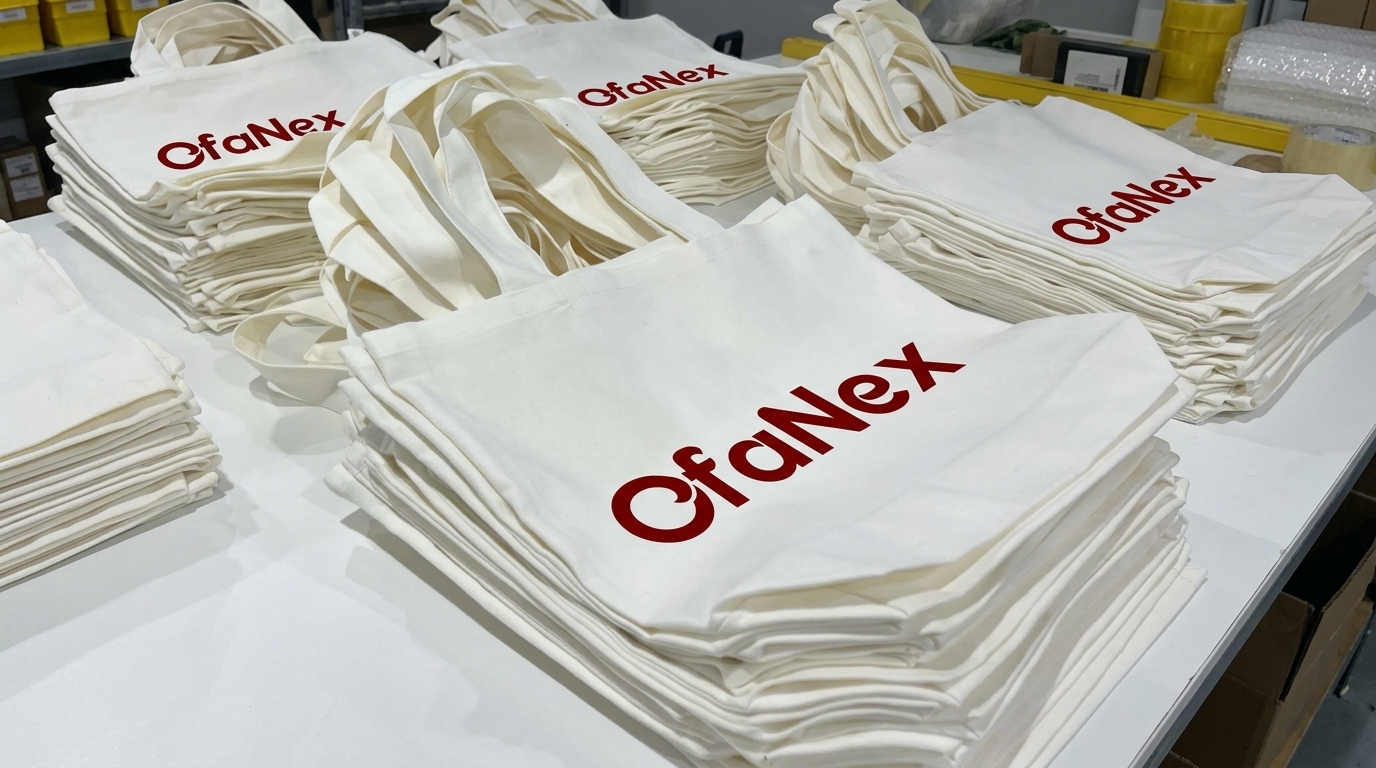
.Whether you already have the design or only have an idea, tell us what you want to brand and we will help you take it from design to finished product.
Ready to Print?→
Good packaging does more than hold a product. It helps people recognize, trust and remember your brand.
- Make your products look professional and ready for the market.
- Give your products a clear brand identity through packaging, labels and stickers.
- Help customers recognize your products more easily.
- Protect and present products properly during storage, transport and sale.
- Give shops and businesses packaging that matches their brand, rather than using generic packaging.
- Create branded corporate packages for gifts, events, clients, employees and special occasions.
- Customize packaging to your product, including size, design, information and branding.
- Repackage products professionally when presentation or market positioning needs to change.
- Create a consistent look across your products so your brand is recognized wherever it appears.
What We Can Brand
T-shirts, uniforms, bags, mugs, balloons, caps, promotional items, event materials, office materials and other suitable products.
For Businesses & Organizations
We support company branding, staff wear, promotional campaigns, corporate events, exhibitions, community programs and other organizational needs.
Printing Methods
Depending on the material, quantity and design, we use DTF, screen printing, sublimation, heat press and other suitable printing methods to achieve the right finish.
Small or Large Orders
Whether you need a few branded items or printing for a larger organization, we can discuss the quantity, design, material and delivery requirements before production.
Need Your Design?
Already have artwork? Send it to us for review. Don't have a design yet? We can also help prepare or adjust your artwork for printing.
Want Something Different?
If you don't see the item you need, ask us. We can discuss other branding and printing requirements based on your product, event or organization.
Why is it important for a business or organization to have well-printed branded products?
-Clean, high-quality printing shows customers and clients that your business pays attention to detail and takes pride in its work.
-Custom-printed merchandise, banners, and packaging put your logo in front of people daily to keep your organization top of mind.
-Physical promotional items last far longer than digital ads, giving your target audience a lasting reminder of your business.
-Standing out in a crowded market relies heavily on presentation, and custom-branded materials make your business look established and trustworthy.
-Giving out well-made branded gear makes clients feel valued and helps employees feel connected to your mission.Printed items like tote bags, pens, apparel, and stickers create repeated views over time at a very low cost

Digital Media & Content
We provide digital media and content services in Tanzania for individuals, businesses and organizations. Our services include international news, podcasts, photography, videography, interviews, event coverage, social media content, digital storytelling, content production and media distribution. We help clients produce useful, engaging content, communicate their message clearly and reach audiences across digital platforms.
Whether you need content for your business, organization, event, social media or digital platform, we can help you plan, produce and publish it. Talk to us about your next content or media project and let’s get it started.
What digital media and content services does OfaNex provide in Tanzania?
OfaNex provides digital media and content services in Tanzania for individuals, businesses and organizations. Our services cover international news, podcast production, photography, videography, interviews, event coverage, social media content, digital storytelling, content production and media distribution.
We help clients plan, produce and distribute content for business communication, public communication, marketing, events, social media and other digital platforms.
What type of content can OfaNex produce?
We produce different types of digital content based on the purpose, audience and platform. This includes photographs, videos, interviews, podcasts, social media content, digital stories, event coverage and other media content.
Our content production can support businesses, organizations, events, campaigns, public communication and digital platforms that need regular or project-based content.
Does OfaNex provide photography and videography services in Tanzania?
Yes. We provide professional photography and videography services in Tanzania for businesses, organizations, events and other content needs. Our services can cover business activities, events, interviews, products, people, locations and other subjects that require visual content.
Does OfaNex provide event coverage?
Yes. We provide event photography, event videography, interviews and digital content production for events in Tanzania. Event coverage can be used to document an event, create social media content, produce highlights and provide visual material for future communication and promotion.
Does OfaNex provide podcast production?
Yes. OfaNex provides podcast production services for individuals, businesses and organizations in Tanzania. We can support clients with podcast planning, recording, interviews, video and audio content production, editing and preparation for digital distribution.
Does OfaNex produce its own podcasts?
Yes. OfaNex also produces its own podcast content as part of its digital media activities. Our discussions cover social, economic and political issues, as well as other topics relevant to business, society and development. The purpose is to create a platform for discussion, information sharing, different perspectives and public engagement.
Our podcast content is separate from podcast production services offered to clients. Clients can engage OfaNex when they need support producing their own podcast, while OfaNex also develops and publishes its own media content.
What topics does the OfaNex podcast cover?
The OfaNex podcast focuses on social, economic and political topics, with discussions that may examine issues affecting individuals, businesses, organizations and society. Topics can include current affairs, business and economic developments, social issues, technology, development and other matters of public interest.
Can OfaNex create social media content for businesses?
Yes. We provide social media content creation for businesses and organizations in Tanzania. Content can include photographs, videos, interviews, digital stories and other media designed for use across social media platforms.
The content can help businesses communicate their activities, products, services, events and messages to their target audiences.
Does OfaNex provide interview and digital storytelling services?
Yes. We provide interview production and digital storytelling services for businesses, organizations, events and other communication needs. We help turn information, experiences, activities and stories into digital content that can be shared with audiences through appropriate platforms.
What is digital media distribution?
Digital media distribution involves preparing and sharing produced content through relevant digital platforms and channels. OfaNex supports clients with media distribution and digital content publishing, helping their content reach the audiences and platforms it is intended for.
Who can use OfaNex digital media and content services?
Our services are available to individuals, businesses, organizations, institutions, event organizers and other clients that need professional digital content and media support in Tanzania.
Whether you need content for a business, organization, event, podcast, interview, social media platform or digital publication, we can provide support based on the project requirements.
Where does OfaNex provide digital media and content services?
OfaNex provides digital media and content services in Dar es Salaam and across Tanzania, with services available for projects that require support in other locations depending on the project requirements.
Why do businesses and organizations need professional digital content?
Businesses and organizations use digital content to communicate what they do, present their work, share information, document activities and connect with their audiences. Professional photography, videography, interviews, podcasts and social media content can provide useful material for websites, social media, campaigns, events and other communication channels.
How can I request digital media and content services from OfaNex?
Tell us what you need, the type of content you want, where the project will take place and how the content will be used. We can discuss the project requirements, production needs and the appropriate media services for your project.
Need photography, videography, podcast production, event coverage, interviews or social media content in Tanzania? Talk to OfaNex about your next digital media project and let’s get it started.
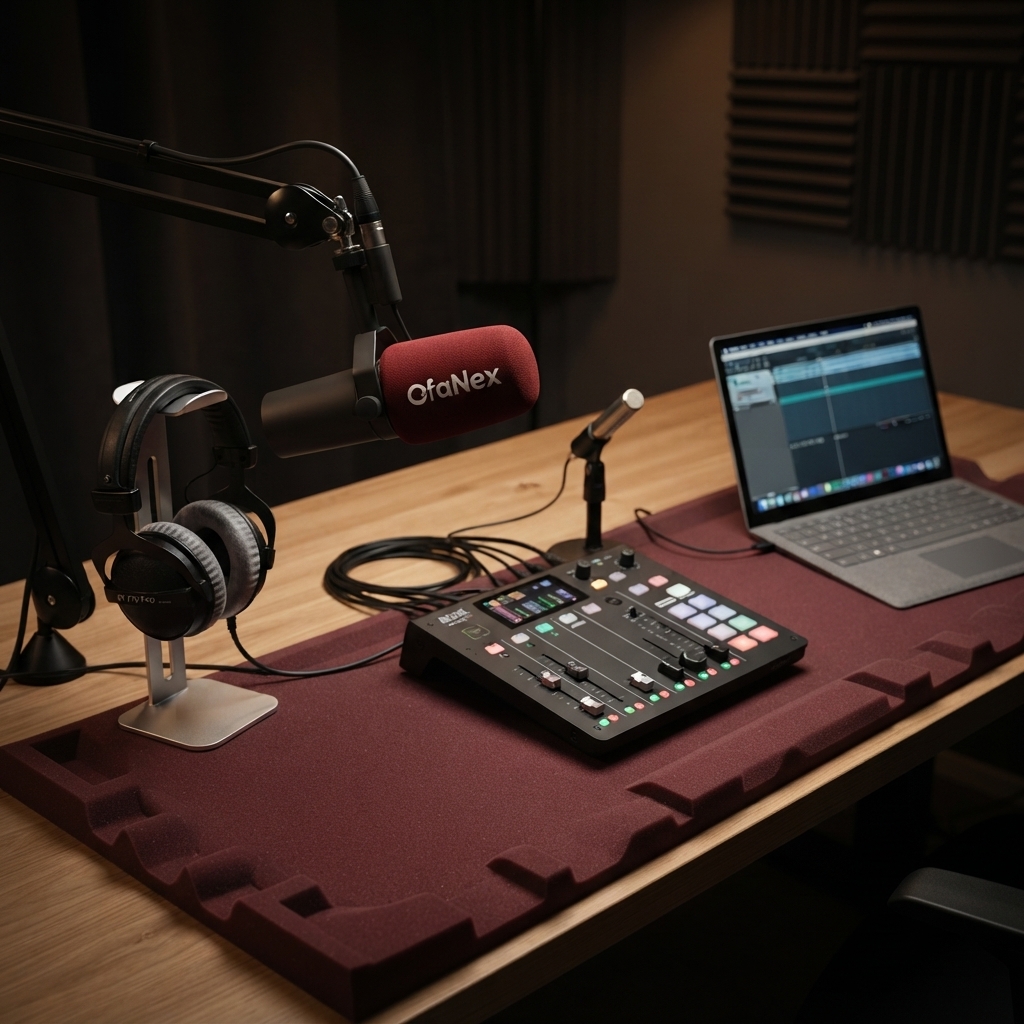
We provides international news content covering important developments, events and stories from around the world. Our international news platform gives audiences access to information on global affairs, business, economics, technology, society and other issues shaping the world.
Businesses can also use this platform as an opportunity to reach audiences through advertising and sponsored business visibility. Whether you are launching a product, promoting a service, building brand awareness or reaching new customers, talk to OfaNex about advertising opportunities and let your business reach a wider audience.
OfaNex School of Thoughts (OST)
Practical Skills for Work, Business & Self-Employment in Tanzania
We provide practical, income-focused skills training for anyone looking to develop useful skills. Our short programmes focus on practical skills, real tools and current market needs, including printing, screen printing, AI tools, copywriting, laser technology, content creation, camera use and other skills. These programmes help learners develop skills they can use to work, offer services, start a business or create their own income. Most training runs for two weeks to one month.
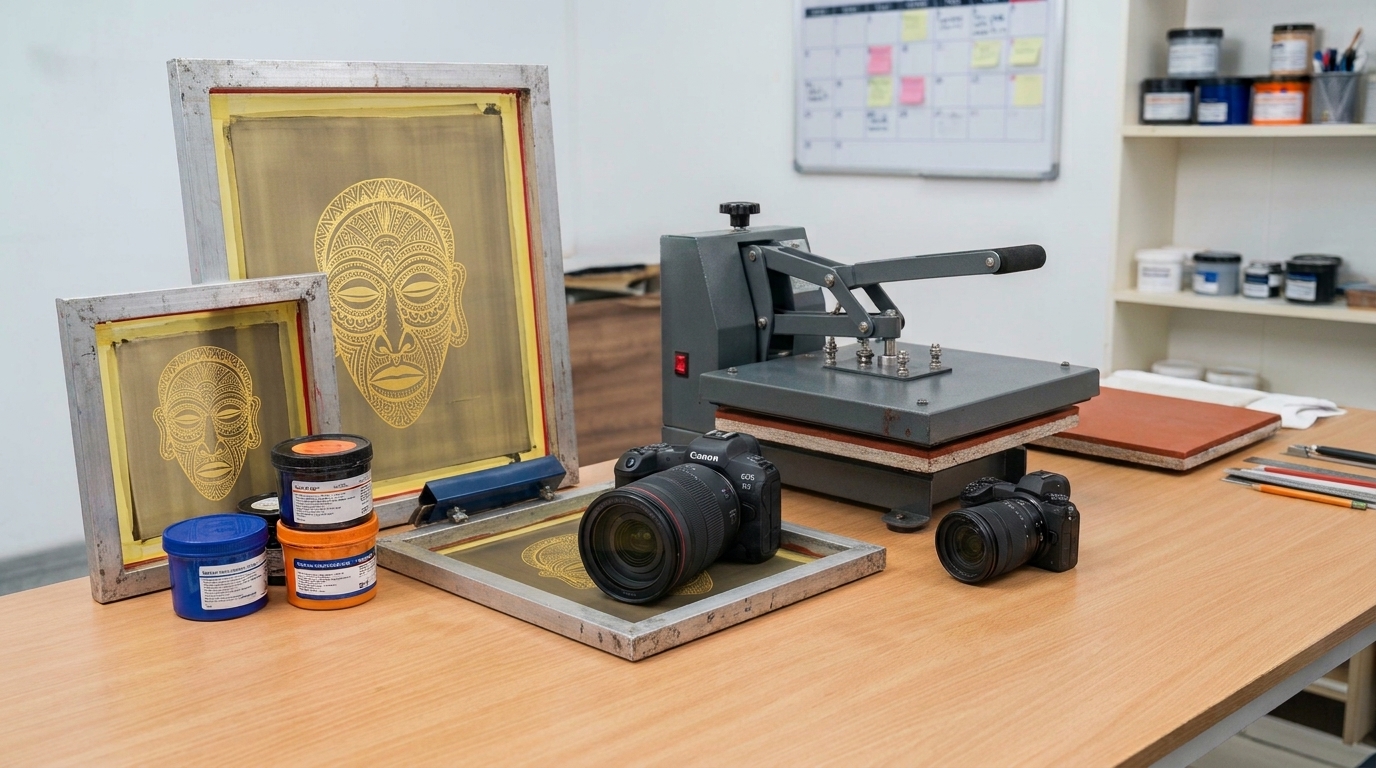
Our training can cover digital marketing, Meta Ads, printing(Screen printing, Sublimation, Heatpress), copywriting, content creation, social media management, AI tools and other practical skills based on current market needs.
Ready to Learn New Skills and Turn Them Into an Income Opportunity in Tanzania?
What We Teach
Digital Marketing
Learn how to use digital platforms to promote businesses, products and services, reach customers and create new opportunities.
Meta Ads
Learn how to create, target and manage Facebook and Instagram advertising campaigns and understand how to use budgets effectively.
Social Media Management
Learn how to manage business social media accounts, plan content, engage customers and build a consistent online presence.
Copywriting
Learn how to write clear and persuasive content for advertisements, websites, social media, products and business communication.
Content Creation
Learn how to create useful written, visual and video content for businesses, brands, organizations and personal projects.
AI Tools
Learn how to use AI tools for research, writing, design, content creation, marketing, productivity and everyday work.
Printing & Branding
Learn practical printing and branding skills, including DTF, screen printing, sublimation, heat press and other methods used to produce branded materials.
Entrepreneurship
Learn how to identify business opportunities, understand customers, develop ideas and turn practical skills into income-generating activities.
Self-Employment Skills
Learn how to turn your skills into a service, find and work with customers, set your prices, manage your work and build your own source of income.
Other Practical Skills
Explore new and emerging skills based on technology, market demand, business opportunities and the changing world of work.
Business & Organizational Systems Development
Professional business and organizational documentation, systems, registration and setup services in Tanzania.
We help individuals, businesses and organizations set up the documents, systems and registrations they need to operate properly. Our professional services include the preparation of Company Profile & Corporate Framework, Organizational Structure & Roles, Company, Business & Organization Policies, Employee Handbook, SOP Manual, Forms & Templates, Business Plans, Strategies, Project Proposals, Memorandum and Articles of Association, full Business Registration, and full CBO, FBO and NGO Registration, including required documentation and follow-up.
At OfaNex Group Limited, we help businesses and organizations establish practical systems that bring structure, control and consistency to their operations.
Our Business & Organizational Systems Setup service covers:
- Corporate Foundation & Strategy
We help establish the foundation, direction, objectives and strategic framework of your organization. - Organization, Governance & Authority
We establish clear organizational structures, responsibilities, reporting lines, decision-making and authority. - Corporate Policies & Employee Handbook
We develop the policies, rules, standards and employee guidelines that govern how your organization operates. - Standard Operating Procedures (SOPs)
We document clear procedures for carrying out your business processes and services consistently. - Business Planning & Performance Management
We help connect your strategy with business plans, budgets, objectives, KPIs, monitoring, reporting and management review. - Commercial & Customer Management
We establish systems for managing customers, sales, proposals, contracts, service delivery, complaints and business relationships. - Finance, Procurement & Resource Management
We establish systems for controlling finances, purchasing, suppliers, assets, inventory and other business resources. - Forms, Templates & Records Management
We develop the working documents needed to carry out activities, record information, support approvals and maintain proper business records.
A System That Helps Your Business Work
We bring these areas together into a practical organizational system that helps your business operate properly, maintain control, measure performance and prepare for growth.
Set your standards. Build your system. Grow your business.
Need Help With Something Not Listed?
Tell us what you are trying to do. If it involves an online civic service, business requirement or business document, we can discuss how we can help. →
BRELA Business Services
Support with company registration, business-name registration, changes to registered information, annual returns, trademarks, patents and other available BRELA services.
Business Licence Support
Assistance with business licence applications, renewals and related requirements through the appropriate systems.
TIN & Tax Registration Support
Help with TIN applications and other applicable online tax registration requirements.
Passport & Immigration Services
Support with online passport applications, continuation of applications and checking application progress where available.
NSSF & Social Security Services
Help with applicable online NSSF services for individuals, employers and organizations.
NGO Registration & Support
Assistance with NGO registration processes and related online requirements.
TAUSI & Local Government Services
Support with applicable local-government services, including business licences, permits, applications and payments.
Wezesha Services
Support for eligible groups with registration and online processes related to the government’s 10% local-government financing programme.
TBS & Product-Related Services
Assistance with applicable online TBS applications and related business requirements.
TIRA Services
Support with available online insurance-related services and applications.
Other Government e-Services
We can also help with other online government services depending on your particular need. Tanzania’s official e-government platforms cover a wide range of citizen and business services.
Get fast, reliable assistance with Tanzanian government portal filings today. →
Need help with an online civic or business service? Let us help you get it done →

Get in touch with OfaNex today to get an exact quote or book a consultation.
OfaNex Office & Contacts
Location: Dar es salaam & Dodoma, Tanzania.
Working Hours: Monday to Sunday (Except Saturday) | 8:00 AM - 5:00 PM.